Current Status
Price
Get Started
Geriatric Medicine and Principles
Screening Guidelines (for patients older than 60)
Component
When to Start
How Often
Complete Physical Exam
- Height/Weight (check for eating disorders
- Skin exam
- Oral cavity (gingivitis/caries/etc)
- Hearing
- Abuse/Neglect/depression
- BP (normal 120/80)
Laboratory assessments are warranted at this time
Age 60
Every 2 Years

Females
- Pap Smear (with GC and Chlamydia screens)
- Cytology (conventional or liquid-based)
- HPV Co-test (cytology + HPV test administered together)
- Self Breast Exam
- Clinical Breast Exam (by a provider)
- Mammography
Pap smear Age 21
HPV +/- Co-test for ages 30-65
Self Breast exam now
Clinical breast exam beginning adolescence/now
Mammography beginning at age 40
Pap smear +/- cytology every 3 years; discontinue at age > 65-70 with three consecutive normal cytology tests and no abnormal tests in the past 10 years
ACOG does not recommend clinical breast examinations every year
Mammography should be performed every one to two years for women ages 40-49, then annually for ages 50-74 or as long as in good health
Males
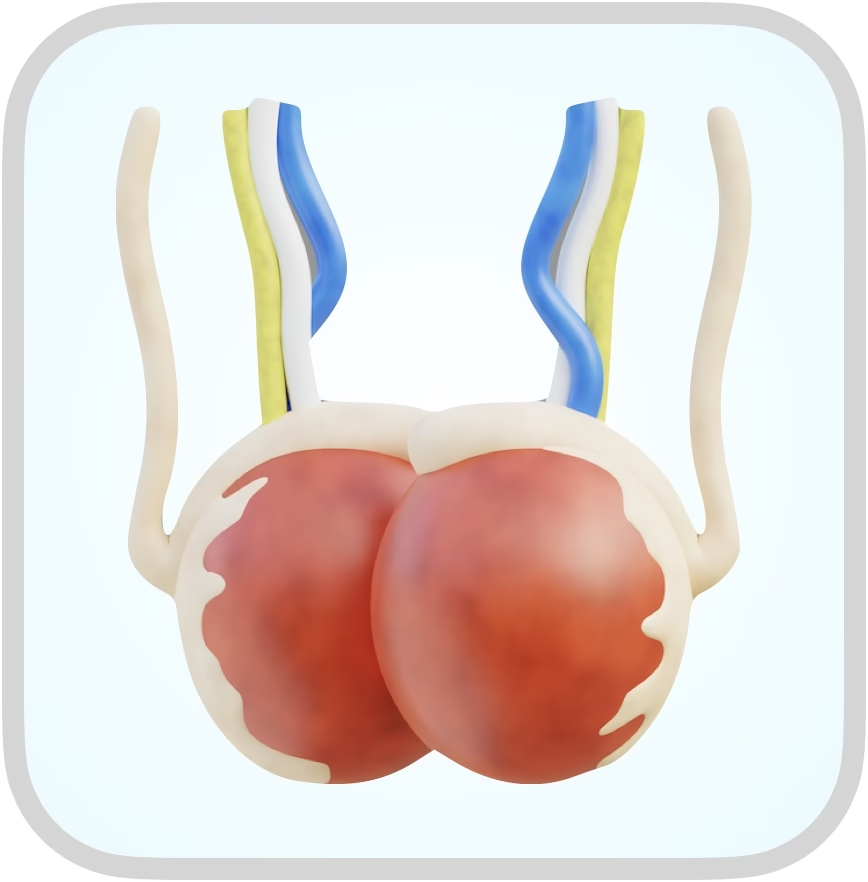
- Self breast/Testicular exams
- Prostate screening (digital rectal exam and PSA)
Self exams should start as a young adult
All males 50 or older should have a digital rectal exam and PSA test
Self exams should be monthly
Prostate testing is annual

HIV
Depending on level of sexual activity or IV drug use
Assess knowledge of prevention, contraception, protective barriers, etc.
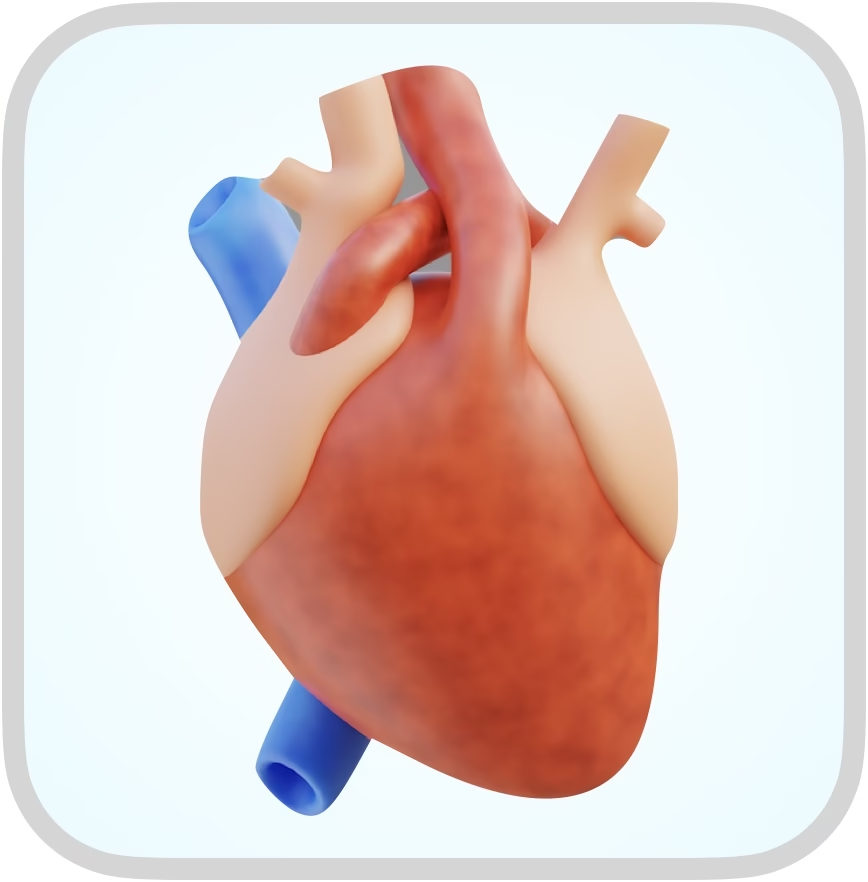
Blood Pressure
Now
With every health care visit or every two years (normal <120/80)
Total Cholesterol and HDL (or full fasting panel)
Age 20
Every 5 years unless cholesterol > 200mg/dL
ECG
Age 40 or baseline or with cardiac risk factors
PRN as indicated
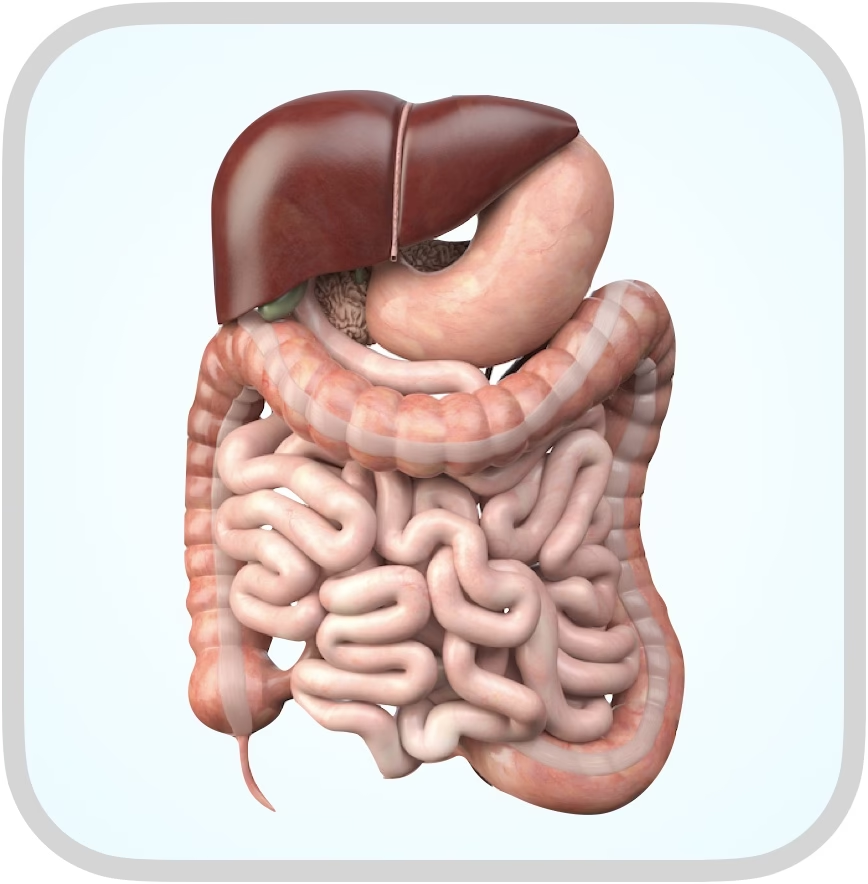
Colorectal Cancer (second leading cause of cancer deaths)
Age 50
Annual Fecal Occult Blood Test
Flexible sigmoidoscopy every 5 years
Total colon examination by colonoscopy every 10 years or by double contrast barium enema every 5-10 years
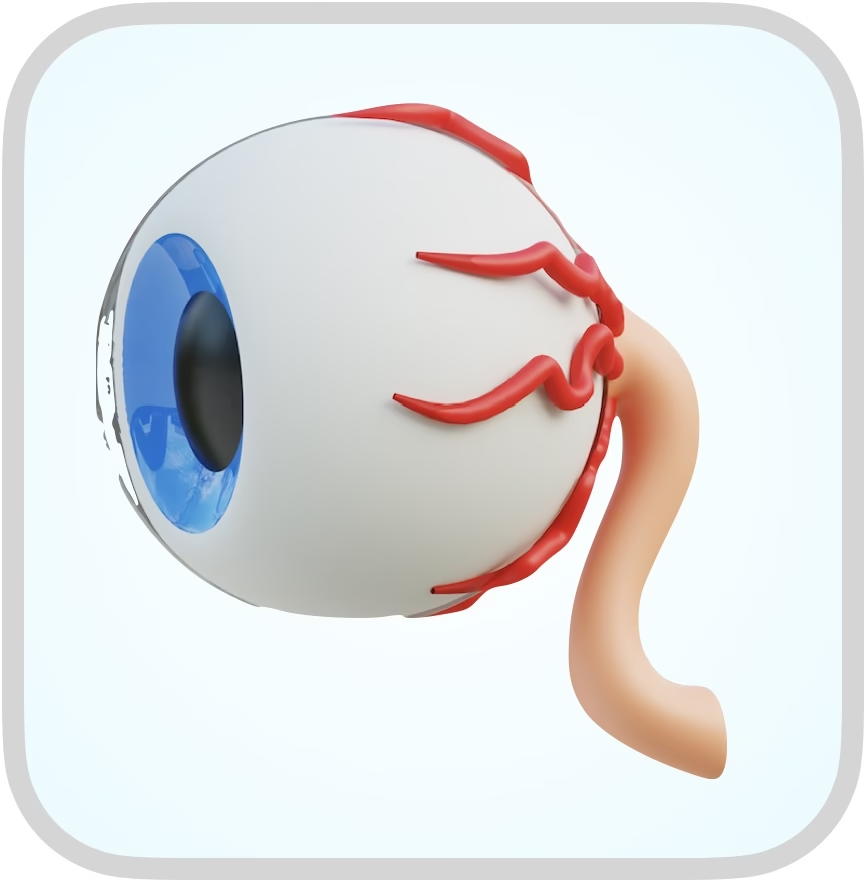
Glaucoma Screening/Tomometry
Now (normal pressure 10-20 mmHg)
Annually
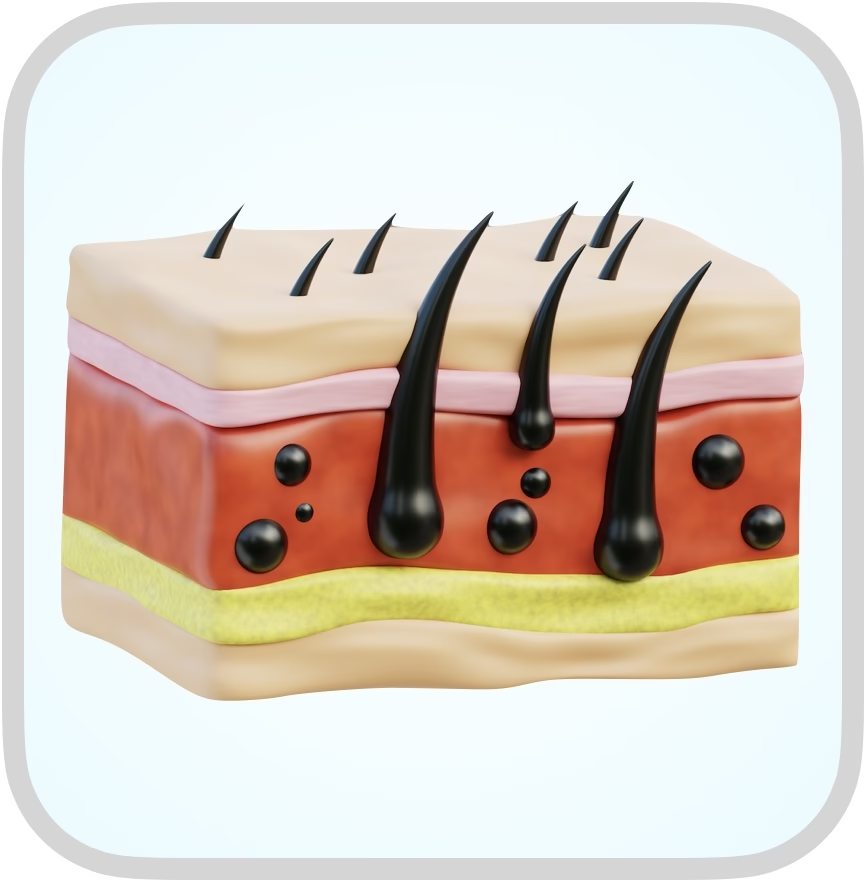
Self Skin Exams
Now
Regularly
Tetanus-diphtheria (Td) booster (Td); substitute 1 dose of TDap (Adacel) for Td
- Herpes Zoster (Zostavax)
When was last?
Herpes Zoster vaccine Age 50
Tetanus: Every 10 years
Herpes Zoster: Once
Influenza
Annually
Pneumococcal
Age 65 or older
PPD
Young Adult
Controversial but annually for high risk populations
Dental Cleaning and Checkup
Now
Every 6-12 months
Special Considerations in Gerontology
Demographics
Increasing number of older adults, defined as 65 years or greater
- The “young” old: 65 ti 74 years of age
- The first wave of align baby boomers reached full retirement age in 2011
- For the next 20 years, 74 million Boomers will retir
- The “Old”: 75 to 84 years of age
- During the next decade, increased life expectancy will strengthen the wave of aging Boomers and steadily increase their total number
- The “Oldest” old: 85+ years of age
- The fastest growing segment of the total population is the oldest old, those 85 and over
- Their growth rate is twice that of those 65 and over and almost 4 times that for the total population, with the greatest increase in women
In 2011, there were 38 million older adults (13% of the US population) vs. 3.1 million older adults in 1900
There is an increasing ethnic, racial, and cultural diversity in the older adult population
Elderly poverty levels: 15.9% of older adults live below the poverty line with:
- 18% of African-American older adults
- 18% of Hispanic-American older adults
- 10.3% of Asian-American older adults
- 6.8% of Caucasian-American older adults
Caring for the Aging and Elderly
Age increased complications
Life Expectancy at birth in the United States is 80.8 (females) and 75.7(males) years
- A decline in any organ system is usually due to disease, not “the aging process”
- Must recognize the difference between abnormal aging vs. normal age related changes
Immunocompromised patient are at greater risk of complications and atypical presentations
Reduced ability to maintain homeostasis increases in age, with the acreage onset beginning at age 30 and manifested in organs by age 50
Key organ systems most vulnerable to illness or disease in the elderly
- Circulatory
- Musculoskeletal
- Lower urinary tract
- CNS
Predominant presentations of illness/disease in the elderly
- Delirium
- Dementia
- Falls
- Functional decline
- Syncope
- The organ system usually associated with a particular symptom is less likely to be the source of that symptom in older adults than younger adults
- Drug side effects pronounced at low doses
- Many compensatory mechanisms are compromised concurrently
Principles
The American Nurses Association’s Scope and Standards of Gerontological Practice highlights the importance of the following:
Critical gerontology functions
- Health promotion
- Health maintenance
- Disease prevention
- Facilitation of self-care
Top 8 most common conditions in older adults
- Parkinson’s disease
- Hypertension
- Heart disease
- Respiratory disease
- Diabetes mellitus
- Cancer
- Cerebrovascular disease
- Atherosclerosis/Alzheimer’s disease
Top 10 most common reasons for older adults to be hospitalized
- Heart disease
- Cancer
- Cerebrovascular disease
- Pneumonia
- Fractures
- Bronchitis
- Osteoarthritis
- Diabetes mellitus
- Disease of the nervous system or sense organs
- Prostate hyperplasia
Top 12 most common causes of death among older adults
- Heart disease
- Cancer
- Cerebrovascular disease
- COPD
- Pneumonia and influenza
- Diabetes mellitus
- Accidents
- Alzheimer’s disease
- Septicemia
- Atherosclerosis
- Hypertension
Adjustments in Aging
Declining health/functional status
- Difficulty with accepting declining efficiency of the body
Increased mortality awareness
- Older adults become more aware of their own death
- Interest develops in
- Fulfilling their own dreams
- Denoting religious convictions
- Strengthening family ties
- Leaving a legacy
Income and employment issues
- The economic profile of many elderly is poor
- For example, approximately 1/6 live below the poverty line
- Retirement income is often much less than one’s working salary, resulting in a major lifestyle change
- Lifestyle changes may include:
- Relocation to less expensive housing
- Change in social practices
- Change in diet
- Lowering of independence
- Social security is the primary source of income for many
- In June 2012, the average social security retirement benefit was $1267/month, or about $14,800/year
- For 36% of elders, Social Security provides more than 90% of their income
- For 24% of elderly beneficiaries, Social Security is the sole source of retirement income
- Retirement
- Ones worth and identity are often associated with productivity
- Individuals defined by work role rather than personal characteristics
Family changes
- The family unit is traditionally viewed as a major source of satisfaction and is a key source of support by softening the multiple losses and changes in life
- Adjustment to the independence of children
- Limited extended family interaction in today’s society
- Children are less “responsible” for aging parents
Death of a spouse; affects more women than men
Shrinking social world
- Loneliness and desolation
- Children are grown and gone
- Loss of spouse and friends
Hearing and speech deficits present communication barriers
Danger signs that indicate an elderly person needs extra help and/or a change in living environment include:
- Sudden weight loss
- Burns or injury marks
- Peculiar behavior of any kind
- Failure to take medication or over-dosing
- Increased car accidents
- General forgetfulness
If danger signals are apparent, all housing options should be discussed and analyzed
- Aging in place
- The elderly person continues to live in his/her own place of residence, usually a community not designed as a retirement community, but one which contains amenities that assist the elder extensively, making aging in place easier
Settings of Care
- Retirement communities
- Adult congregate communities
- Residents buy condominiums and pay a monthly fee for grass mowing, Leaf raking, and other services
- A medical center is on site the 24 seven nursing service.
- Assisted-living communities
- Rental retirement communities for rental retirement communities congregate communities residence by seniors who need assistance with complex instrumental activities of daily living (including cooking, shopping, money management, etc)
- Three meals per day, maid, and laundry service
- 24/7 registered nurse on call provided in the rental agreement
- Continuing care communities
- Provides a continuum of care from 24/7 independent living care to special nursing home care
- Individual must be independent when he or she enters the community
- Expensive, requires monthly fees
- Board and care
- Similar to assisted living
- Single-family house which has been converted into a residence for elderly and disabled residents
- Subsidized housing for the elderly
- Subsidized by the department of housing and urban development for low income elderly in good health
- 24/7 nursing care is not provided
- Blood pressure and basic check ups are available every day by on site nurses
- Nursing facilities
- Skilled nursing facilities
- 24-hour nursing for people with serious health care needs but who do not require hospitalization (e.g. rehabilitating a broken hip, treating an infection with IV antibiotics, managing behavioral problems due to dementia, etc.)
- Admission as prescribed by a physician
- Intermediate care facilities
- Less extensive healthcare alternative than skilled nursing facilities
- Mainly for people not able to live alone but you need minimum medical assistance and help with personal/social care
- Skilled nursing facilities
- Adult congregate communities
Physiologic Changes in Gerontology
Geriatric Health Assessment


- Includes review in a valuation of:
- Social and economic resources
- Physical and mental health
- Cognitive status
- Changes in an elders ability to function and every day activities are often related to changes in elf it may result in changes in the patient’s living status such as making a decision for a form of assisted-living.
- Advanced directives of daily living (AADLs): Complex Measure of functional status; losing ability in these activities may announce a major decline in overall health
- Working
- Volunteering
- Social activities
- Recreational activities
- Connection with peers and community
- Instrumental activities of daily living (IADLs): Activities that contribute to independent functioning; “SHAFT”
- Activities of Daily Living; “DEATH”
- Examples of functional assessment tools:
- Katz ADL score
- Barthel index
- Kenny self-care scale
- IADL scale
- Timed manual performance
- Performance test of ADL
- Framingham disability scale
- Lawton scale
Environmental Assessment
- This assessment must be conducted addressing the personal competence and physical limitations of the individual
- Some conditions influencing the safety of the elderly include:
- Lighting: good sources of lighting in Hanst mood and behavior, while assisting to maintain orientation of the individual; Night lights are useful in facilitating orientation during the night: fluorescent lighting may cause eyestrain and glare
- Temperature: normal lower body temperature and decrease amount of natural insulation make elderly more sensitive to lower temperatures; recommended room temperature for elderly patients is 75°; room temperature is less than 70° may cause hypothermia in the elderly
- Colors: warm colors (red, orange, and yellows) can be stimulating; cool tones such as blues and greens may have a relaxing affect
- Floor coverings: scattered area rugs provide an ideal source for falls and should not be used; both floor designs can cause dizziness and confusion during ambulation; hey single solid color is preferable; non-glare surface is a sensual; floor treatments that provide a nonslip surface are particularly useful
- Furniture: furnishing should be appealing, functional and comfortable; elders with cognitive impairments should have simple environments
- Bathroom hazards: many accidental injuries occur in the bathroom; particular attention should be paid to following:
- Lighting: keep bathroom lit at all times
- Floor services: do not use throw rugs, keep appliances off the floor, correct leaks to avoid creating slippery floors
- Faucets: liber shaped handles are easier to use the round ones; Color coding faucet handles makes differentiation of hot and cold easier.
- Tubs and shower stalls: nonslip services are essential, grab bars on the wall or a necessary source of support
- Toilets: grab bars or support frames aid in the difficult task of sitting down and rising from toilet seat
- Medication, chemicals, and toxins
- Clearly labeled medications and set up workable system for taking medication
- Review storage of cleaning supplies and other toxins
- Clear labels for similar appearing products
Nutritional Concerns and Risk Assessment
- Does the patient take a multivitamin daily to meet recommended daily allowance of vitamins and other nutrients?
- Protein
- Recommended need: at least 0.8 g per kilogram per day
- Albumin below 3.5% indicates protein malnutrition
- Low protein intake retards healing
- Calcium intake needs to be individualized
- Calcium absorption decreases with age
- Is the patient lactose intolerant?
- Diseases to consider:
- Certain cancers
- Nephrolithiasis
- Hyperparathyroidism
- Body mass index
- Underweight: less than 18.5
- Normal weight: 18.5 to 24.9
- Overweight: 25 to 29.9%
- Obese: 30% or more
- Medications that may increase appetite:
- Antidepressants
- Tranquilizers
- Beta adrenergic agents
- Narcoleptic
- Hormones
- Steroids
- Nutritional risk assessment
- History
- Involuntary weight loss
- Change in appetite
- Change in size of clothing
- Indicators of nutritional risk
- Weight loss
- 5 pounds in one month
- 5% of body weight in one month
- 7.5% of body weight in three months
- 10% of body weight in six months
- Change in function, health or mental status
- Weight loss
- History
- Key laboratory indices:
- Albumin (normal: 3.5 to 5 g/dL)
- Pre-albumin (normal: 16 to 35 mg/dL)
- Transferrin (normal: greater than 200 mg/dL)
- Total lymphocyte count (normal: 1200 to 1800 cells/mm3)
Sexuality
- The myth about people over a certain age not engaging in sexual relations is a myth interferes with a comprehensive health assessment and treatment
- There is a general decline and sexual libido as one gets older
- However, the amount of sexual activity is personal and some people may have little to no decline in sexual activity
- Male sexual dysfunction is the primary reason for reducing or discontinuing sexual activity
- Living arrangements may interfere with privacy required for sexual relations
- Be aware of situations lending to lack of respect for the patient’s sexuality
- Forgetting to fasten clothing
- Denying same gender attendance for bathing
- Discussing incontinence issues and other medical conditions in front of the patient’s peers
- Review patient’s self-view of sexual relations
- Medications may interfere with the Beato
- Pharmacotherapy for hypertension
- Certain medical diagnoses were conditions may interfere with the libido such as myocardial infarction or treatments such as mastectomy and prostatectomy
- Review and screen for sexually transmitted diseases and infections
- Review options for prevention of sexually transmitted diseases/infections
- Review of sexual libido enhancement options such as phosphodiesterase inhibitors, testosterone replacement, lubrication options
Atypical Disease Presentations
Physiology and Aging
Major changes with aging responsible for atypical disease presentations
- Thermoregulation
- Fluid volume regulation
- Cardiac
- Immune alterations
- Nervous system changes
Thermoregulation
- Older adults have lower basal body temperatures than other adults
- Possible causes
- Decreased his production per kilogram of body weight
- Reduced muscle activity resulting in the production of heat
- Decreased diet-induced thermogenesis
- Aged normal temperatures:
- Oral: 35.8 to 36.8°C (96.4 to 98.2°F)
- Rectal: 36.8 to 37.2°C (98.2 to 98.9°F)
- General rule: the body temperature of older adults average is about 1 to 2°F below that of younger adults.
Fluid volume regulation
- Older adults have decreased:
- Percentage of body water
- Thirst drive
- ADH response to dehydration
- Older adults renal dysfunction:
- Decreased maximum urine osmolality
- Impaired renin-angiotensin-aldosterone responsiveness
- Results: less water taken in, less on reserve, less able to retain, thus pre-disposed to earlier and faster dehydration
Infections/Sepsis: Often Atypical Findings in the Elderly
General comments
- Approximately 40% of all deaths in those over the age of 65 or attributable to infection
- With sepsis infections, the mortality rate increases nine times as compared to other adults
- Possible causes
- Immune system decline from lack of cell proliferation, especially IL-2 and T cells, leading to decreased lymphocyte stimulation and production
- Drying/thinning of the skin and nukes membranes
- Decreased ability to produce antibodies
- Comorbid conditions
- Inefficient mucociliary clearance
- Malnutrition
- Of adults over the age of 65, 30 to 60% have both protein and calorie malnutrition
- Results may include any fish at responses to vaccines, impaired want healing, and increased risk of infection
Fever
- Up to 50% of older adults with infection present without fever.
- Possible causes: altered thermoregulation in general, coupled with decreased he production by adipose tissue.
- American Medical Directors Association’s Clinical Practice Guidelines for Infections in Long-Term Care Criteria for Fever:
- Increase in temperature equal to or greater than 2°F (1.1°C) from baseline
- Two or more measurements of oral temperature equal to or greater than 99°F (37.2°C) we’re rectal temperature equal to or greater than 99.5°F (37.5°C)
- Single measurement of temperature equal to or greater than 100°F (37.8°C)
- Additional atypical findings in the infected/septic older adult:
- Diminished/low oral intake
- Fatigue and/or withdrawal from typical activities of interest
- Agitation
- Confusion/delirium
- Falls
Pharmacology Considerations in Gerontology
Pharmacokinetics: Study of how the body interacts with drugs, including absorption, distribution, metabolism and excretion
- Absorption
- For most of the drugs taken by the elderly, absorption is unaffected unless the patient takes the medication with an adsorbent such as an antacid
- Instruct patient to take antacids one hour before or four hours after other medications
- Distribution
- Distribution is unaffected unless the patient is affected by serious cardiovascular disease
- Concentration equals dose/volume of distribution
- Free drug in circulation; Target site availability; tissue storage
- Fluid and tissue compartments
- Decrease in total body water
- Increase in fat
- Decrease in muscle mass
- Plasma drug-binding proteins
- Decrease in serum albumin levels
- Metabolism
- Metabolism may be significantly reduced in the geriatric patient, particularly if there is any liver impairment. Dosage adjustments may be necessary.
- Liver
- Natural decrease indent bullet blood flow; often associated with potential decreased first pass effects
- Elimination
- Reno clearance is significantly reduce in older adults. As a result, many drugs could be therapeutic at a dosage lower than prescribed for a younger adults.
- Consider a lower dosage and consult a geriatric dosage handbook for accurate dosing in the geriatric patient.
- In the patient with renal insufficiency, drug dosages may be significantly reduced. Renal function must be monitored to both prescribe the appropriate dose and assess for adverse reaction’s. Thus, drug illumination changes in the elderly are due to overall decreased renal function.
- Decreased blood flow to the kidneys
- Decrease glomerular filtration
- Decrease tubular secretion
- Decline in creatinine clearance
- Pharmacodynamics: Study of how drugs interact with the body
- Receptor changes
- Receptors make up regulate or down regulate with age, causing increased or decreased sensitivity to certain agents.
- Homeostasis changes
- Decrease capacity to respond a physiological challenges and the adverse side effects of drug therapy (such as orthostatic hypotension)
- Receptor changes
- Pharmacogenetics: Study of single gene genetic variations in drug variations
- The goal of pharmacogenetics is to understand the roles that an individual’s genetic makeup plays and how well a medication works, including any likely side effects
- Benefits
- Development of drugs that maximize therapeutic effects
- More accurate methods of determining dosages
- Drugs that are prescribed specifically for a patient is genetic profile
- Pharmacogenetics versus pharmacogenomics
- The terms, pharmacogenetics and pharmacogenomics are often used interchangeably; the differences between the two lie in the initial approach of the science:
- Pharmacogenetics begins with an unexpected drug response, and then searches for a genetic cause
- Pharmacogenomics begins was looking for genetic differences within a population that explain certain observed responses to a drug
- The terms, pharmacogenetics and pharmacogenomics are often used interchangeably; the differences between the two lie in the initial approach of the science:
Adverse Reactions
- Adverse reaction seeing in the elderly
- Central nervous system effects:
- Sedation
- Memory loss
- Dizziness
- Depression
- Confusion
- Anti-cholinergic affects:
- Blurred vision
- Urinary retention
- Constipation
- Dry mouth
- Effects on movement and balance
- Effects on bone and supporting structures
- Central nervous system effects:
- Drugs are most likely to cause adverse affects in the geriatric patient
- Those with central nervous system effects
- Benzodiazepines
- Antipsychotics
- Beta blockers
- Steroids
- Those with anti-cholinergic adverse effects
- Cholinergic Agonists
- Tricyclic antidepressants
- Antipsychotics
- Those with adverse affects on balance and movement
- Neuroleptics
- Metronidazole
- Phenytoin
- Aspirin
- Aminoglycosides
- Furosemide
- Beta blockers
- Vasodilators
- Metoclopramide
- Those with adverse affects on bone and supporting structures
- Steroids
- Heparin
- Lithium
- Those with central nervous system effects
Promoting Safe Drug Use
- The literature evidence is that nonadherence to drug regimens is noted to be approximately 45% among older adults
- Recognize that patients are usually on multiple medications
- According to the CDC, elders with multiple diseases confusion we take up to 12 different prescription medications every day
- Geriatric patients take more over the counter drugs that any other age group
- Recognize that self medication may be a problem
- The patient may be using medicine that belongs to someone else
- The patient may be using alternative or herbal medications or therapies that may interact adversely with prescription medicines
- Provide education and a rationale if the prescription drug is not indicated, as well as if one is indicated
- Functional assessment tools maybe good indicators of whether a patient can manage medication regimen
Polypharmacy in the Elderly
- The use of more medicines than are clinically indicated
- Commonly seen in the geriatric patient due to several factors the promote polypharmacy
- The presence of comorbid conditions
- Use of multiple prescribers
- Overuse of non-prescription and alternative medicines
- Prevalence of the concept of a “pill for every ill”
- Prevention of polypharmacy
- Recognition of the problem
- Clinical consult with the pharmacist may be helpful
- “Brown bag” approach, we’re all medications the patient is currently taking are brought in is useful
- Education of the patient
- Include discussion of all over the counter and herbal medications
- Communication between pharmacist and prescribers is key
- “essential medicines only” approach
- Avoid combination products
- Start with the lowest affects of doses
- Recognition of the problem
- Risks associated with polypharmacy
- Increased:
- Morbidity
- Medical expense
- Adverse reactions
- Incidence of depression
- Risk of nursing home placement
- Increased:
- Over the counter agents that complicate polypharmacy:
- Cimetidine: inhibits cytochrome P450 in the liver, prolonging the effects of other drugs in the body
- Decongestants: antagonize the activity of antihypertensives; are anti-cholinergic
- Nonsteroidal anti-inflammatory drugs (NSAIDS): decrease Reno blood flow, further reducing elimination of many drugs
- Niacin: may exacerbate the effect of the antihypertensives
- Antacids: may absorb other oral agents, reducing their absorbance across the gut wall
- Laxatives:
- May chelate other drugs so they cannot be absorbed
- May increase gut motility
- May reduce absorbance of some drugs
- Calcium products:
- May decrease absorbance of thyroid hormones
- Tetracycline
- Others
- Herbal agents that complicate polypharmacy
Renal disease
- In the healthy adult, renal function may be reduced as much as 40% by the elder years
- Renal disease would further impact this, affecting drug illumination
- Dosage adjustment should be made usually based on creatinine clearance
Hepatic disease
- Hepatitis, cirrhosis, or liver impairment affects the hepatic metabolism of most drugs
- As a result, serum levels of drugs may be higher, and dosages need to be adjusted accordingly
Cardiac disease
- Heart failure may affect perfusion of tissues and drug delivery, leading to less than optimal therapeutic outcomes
Select Geriatric Syndromes
Pressure Ulcers
Pressure Ulcers
- Pressure ulcer: any lesion caused by an unrelieved external pressure resulting in the occlusion of blood flow, tissue ischemia, and cell death
- Impaired or restricted mobility is an important agent in the development of pressure ulcers
- Especially in bed ridden people over the coccyx and sacrum
- Aging skin
- Skin loses sensation and immune response
- Skin is not as resistant to the development of pressure ulcers
- No warning signs may precede pressure ulcer formation
- Pressure ulcers may signal now nutrition, impaired dermatological functioning, and comorbidities
- Mortality increases four-fold for people with pressure ulcers and six-fold for people with non-healing ulcers
- In dark skinned people, ulcers may be difficult to see; look for:
- Discoloration
- Warmth
- Adema
- Induration
- Hardness
Staging Pressure Ulcers

- Stage 1: intact skin with erythema that does not Blanche
- Stage 2: partial-thickness lesions extending into the epidermis and dermis
- Stage 3: full-thickness skin loss involving the subcutaneous tissue
- Stage 4: extensive tissue damage which extends to muscle, bone, or underline structures
- Staging is not possible when eschar is present until the devitalized tissue is removed and the base of the wound can be seen
- What’s a pressure ulcer is staged the healing wound is not re-staged
- Describe the woman’s location, shape, distribution, size, type, and color
- Hypoalbuminemia is a reliable risk factor for pressure ulcer development, along with increased mobility and mortality
Treatment
- Remove source of ischemic injury: relieve pressure
- Wound care specialist consult
- Non-operative versus operative methods
- Non-operative for stage one and two pressure ulcers
- Stage III and four ulcers may require surgical interventions
- Approximately 70% to 90% of pressure ulcers are superficial and heal by secondary intention. As soon as pressure is relieved on otherwise healthy, vascularized skin, clinical improvement can be evident within 48 hours.
- Common solutions for wound cleansing
- Normal Saline
- Povidone iodine
- Acidic acid
- Sodium hypochlorite (2.5%)
- Surgical debridement, as indicated
- Pain management, as needed
- Nutritional consult and assessment
- Dressings
- Rehabilitation and physical therapy
Elder Abuse
General Comments
- The literature suggests that approximately 6% of elderly report being abused, and it is estimated that five times as many are unreported
- Women are more at risk than men
- Most of the time (90%) the victim knows the abuser
- Embarrassment, feeling overwhelmed, intimidation, and isolation contribute to reporting and addressing abuse
- Early intervention by addressing caregiver stress through education, counseling, and referral to community agencies is prudent
Types of Elder Abuse
- Physical abuse
- Violence that results in physical pain or injury
- Pushing
- Slapping
- Hitting
- Improper physical restraints
- Others
- Violence that results in physical pain or injury
- Emotional or psychological abuse
- Causing mental anguish
- Intimidation
- Threatening
- Shunning
- Isolation
- Insulting
- Yelling
- Causing mental anguish
- Sexual abuse
- Forced or non-consensual sexual activity
- Rape
- Sexual-harassment
- Forced viewing of pornography
- Molestation
- Demented, delusional, sedated, and mentally retarded individuals cannot give consent
- Forced or non-consensual sexual activity
- Financial exploitation
- Misappropriate funds
- Withdrawing money from accounts
- Removing valuable possessions
- Signing over of assets
- Misappropriate funds
- Caregiver neglect
- Disregarding or ignoring needs of elders
- Isolating the elder
- Unhealthy diet, oversedation
- Non-hygienic living conditions
- Non-attention to one’s physical state
- Disregarding or ignoring needs of elders
- Self neglect
- Non-attention to one’s own physical being; possible mental health problems
- Poor hygiene
- Untreated medical conditions
- Poorly kept home environment
- Non-attention to one’s own physical being; possible mental health problems
Elder Abuse Risk Factors
- Lack of close family ties
- Increasing age
- Physical or mental impairment
- Caregiver stress
- Unsafe housing
- Poverty or financial distress
- Identifying and reporting elder abuse
- The joint commission mandates that hospitals have procedures and training for reporting elder abuse
- Collection, retention, and safeguard of evidence pertaining to Elder abuse and notification of proper authorities
- Medical record includes:
- Documentation of exam
- Treatment given
- Any referrals made to medical professionals or community agencies
- List of private and public community agencies for evaluation and elder abuse care
- The joint commission mandates that hospitals have procedures and training for reporting elder abuse
- Questioning a potential victim
- Frame questions in a non-threatening, non-judgmental manner
- No any signs of defensiveness
- Has anyone tried to hurt you?
- Have you had any recent injuries?
- Question how appearances of injury got there
- Is there a stress for you live?
- Tell me about your caregiver.
- How is your money being handled?
- Is anyone making you do anything you do not want to do?
- Physical examination
- Injuries
- Burns
- Bite marks
- Lesions from improper restraint use
- Hematomas
- Lacerations
- Black or swollen eyes
- Abrasions
- Bilateral bruising of arms
- Fractures
- Malnutrition
- Personal hygiene
- Appropriate dress
- Dehydration
- Pressure ulcers
- Pain
- Mobility and range of movement problems
- Genital/rectal
- Bleeding
- Discharge
- Infections
- Irritation
- Injury
- Scarring
- Sexually transmitted diseases
- Serum levels of medications
- Psychological assessment
- Screen for depression
- Anxiety
- Mental disorders
- Dementia
- Delirium
- Evaluate for behavior
- Mood
- Affect
- Evaluate, refer, and report
- Most states have mandatory statutes for reporting
- All states have protection for those who report from civil and criminal liability
- Penalties for not reporting include
- Fines
- Damages
- Prison terms
- Loss of professional licenses
- Others
- Injuries
Sleep Disorders
General Comments
- More than half of all older adults report at least one recurring sleep complaint
- Sleep disorders are classified in the following categories:
- Insomnia: difficulty going to sleep, maintaining sleep, or early awakening
- Hypersomnia: excessive sleepiness
- Parasomnias: strange behaviors during sleep
- Nocturnal movement disorders: restless leg syndrome
Insomnia
- Difficulty falling asleep or remaining asleep or the feeling that one is not getting a sufficient amount of sleep
- Typical complaints of insomnia include:
- Inability to follow sleep
- Recurrent awakenings
- Inability to return to sleep
- Difficulty staying asleep
- Insomnia may also be of three types:
- Short term: occurs over a few weeks, usually due to a temporary stressful event (stress at work, loss of a relative, or fear of losing job)
- Transient: restless nights that happen occasionally and caused by environmental changes (jet lag, noisy construction at home, sleeping in new place)
- Chronic insomnia: lasts at least weeks or throughout the rest of one’s life (Poor sleeping habits, psychological problems, alcohol abuse)
Parasomnia
- Strange or unusual behaviors during sleep
- Nightmares
- Talking/Walking in one sleep
- Nocturnal confusion
- Maybe exacerbated by drugs or medications such as caffeine, alcohol, beta blockers, others
Management of Sleep Disorders
- Primary prevention
- Sleep only as much as needed
- Daily exercise
- Discourage reading or watching TV in bed
- Secondary prevention
- How well does the older person sleep at home?
- How many times each night does the patient awaken?
- What rituals occur at that time?
- What amount and type of exercise does the patient get?
- How much room ventilation is desired?
- What sleep medications are used?
- Interventions
- Maintain conditions conducive to sleep
- Help the patient relax (bedtime snack, massage)
- Ensure proper positioning, as well as provision of warmth with blankets or coolness with the fan
- Do not permit caffeine in the afternoon or evening
- Encourage daily exercise
Pain
General Comments
Pain is not a normal part of aging
Chronic pain is a symptom of a pathological process
Patient barriers
- Lack of knowledge about the effects of uncontrolled pain
- Inability to express pain: poor cognitive or mental functioning
- Decreased perception, concerns about addiction, fear of side effects
- Belief that reporting pain will not be taken seriously
- Wanted to be a good, non-complaining patient
- Fear that worsening pain is worsening disease
- Family members suggesting not to take pain medication
- Misbelief that pain is part of aging
Healthcare Professional Barriers
- Underestimation of the extent of pain
- Unfounded concerns over tolerance
- Fear of physical dependence or addiction
- May wean a patient off of the medication that might cause physical dependence
- Fear of being investigated for prescribing opioids to an elder person
Long-Term Care Facility Barriers
- Limited education
- Not wanting to consult/referred to outside pain management services
- Limited drug formularies
- Standardized and not individualized dosing regimens
- Limited staff and to assess and treat pain
Management
Refer to Pharmacology Considerations in the Elderly
Falls
General Comments
- Contribute up to 40% of nursing home admissions
- Leading cause of injury related deaths
- Causes: intrinsic factors
- Medical and neuropsychiatric conditions
- Impaired vision and hearing
- Age related changes and neuromuscular function, gate, posture, and reflexes
- Causes: extrinsic factors
- Medications
- Improper use of assistive devices for ambulation
- Environmental hazards
- Assessment
- Questions to ask when a fall occurs:
- What was the patient doing at the time of the fall?
- Loss of consciousness?
- In what direction did the patient fall (forward or backwards)?
- Did the patient break the fall (awareness versus syncope)?
- Where any assistive device is being used appropriately (or not)?
- Further assessment
- Determine whether the fall was a first occurrence or if falls have increased in number
- A thorough history of the patient’s medical problems and all medications, including alcohol, pain medications, and over-the-counter medication/ herbs
- Environmental assessment
- Home or health facility?
- Risk factors: clutter, poor lighting, and throw rugs can prove critical in preventing falls
- Home safety checklist maybe use by the patient to examine their surroundings, if provide or nurse is not able to visit the home of the patient.
- Questions to ask when a fall occurs:
Physical Examination
- Comprehensive exam with a special focus on:
- Orthostasis: blood pressure and pulse checks
- Cardiovascular: Dysrhythmias, murmurs
- Sensory: Visual or hearing impairments
- Musculoskeletal: fractures, joint movement limitations, problems
- Neurologic: tremors, weakness, rigidity
- Cognitive status: mini mental state examination
- Mood: geriatric depression scale
- Special attention should be given to:
- Observation of the patient’s gait and balance with and without assistive device is
- Functional reach
- Berg balance test
- Timed up and go test
- Footwear (stability and fit)
- Assistive devices for size, fit, and the patient’s knowledge of use
- Observation of the patient’s gait and balance with and without assistive device is
Interventions
- Patient’s risk of falling should be assessed annually.
- Family members must be included in education and intervention planning
- Targeted interventions for risk factors
- Physical therapy for balance and gait training, and strengthening
- Weight training and exercise program
- Assistive device is such as a cane or walker for additional stability
- Other general interventions
- Minimize medications and dosages
- Prevent and treat osteoporosis
- Recommend proper footwear
- Recommend a well lit environment
- Raise toilet seat and chair heights
- Remove home hazards
- Install grab bars in places such as the bathroom and shower
- Install handrails at entrances to the home
Palliative Care
General Considerations
- Common signs and symptoms in the year leading to death for elderly patients:
- Pain 72%
- Dyspnea 49%
- Loss of appetite 47%
- Sleeplessness 44%
- Drowsiness 44%
- Constipation 36%
- Depression 36%
- Vomiting and feeling sick 36%
- Review living will, Advanced healthcare directive, or durable power of attorney
General Definition of Palliative Care
- The study and management of patience with active, progressive, far advanced disease for which the prognosis is limited and the focus of care is on the quality of life; includes active, total care of patients whose disease is no longer responsive to curative treatment
- Widely adopted core principles for end-of-life care:
- Respect dignity of both patient and caregivers
- Encompass alleviation of pain and other physical symptoms
- Offer continuity (the patient should be able to continue to be cared for, if desired, by their primary care and specialist providers)
- Provide access to palliative care and hospice care
- Respect the right to refuse treatment
- Promote clinical, evidence-based research on providing care at the end of life
- Perform a spiritual assessment
- Religion/Religious/Spiritual believes
- Views on death and dying
- Any rituals that the patient desires to be performed before death
- Psychosocial and spiritual assessment tool (FICA)
- Faith or spiritual practice
- Importance of the spiritual practice
- Community: patient participation in a spiritual or religious community and the benefits the patient receives from the community
- Assist: discuss and evaluate how healthcare and other professionals can assist the patient with spiritual needs
Management of Common Clinical Symptoms in Palliative Care
- Dyspnea
- Pay attention not only to clinical symptoms and diagnostics, but the patient’s subjective opinions as well
- Management may include
- Anxiolytics
- Oxygen
- Opioids
- Bronchodilators
- Oxygen may be an important placebo with no measurable improvement in oxygen saturation
- Treat any anxiety associated with breathlessness
- Consider appropriate nonpharmacologic approaches
- Question the patient about the comfort of the environment and address any potential issues (fans, temperature, positioning, humidity, etc.)
- Constipation
- Bowel movements may be as infrequent as every three days
- Review medication and diet
- Anorexia/Cachexia
- Be aware of patient, primary caregivers’, and family friends’ distress
- Some cultures may interpret not being able to eat as”giving up” and a rejection of medical intervention-resulting in distress of the family
- May be a signal of inadequate care or abuse
- Review and modify or remove dietary restrictions
- Fatigue and weakness
- Again, some cultures may interpret this as a sign of”giving up”
- Physical therapy to maintain mobility if possible
- Depression and anxiety
- As with treating any mental illness, the most effective treatment includes pharmacological therapy and psychotherapy, as tolerated
- Be aware of treatment options presented by alternative therapies:
- Prayer or spiritual/religious rituals
- Animal/pet therapy
- Bio feedback
- Herbal remedies such Saint Johns Wort
- Aromatherapy
- Others
- Final hours of life: terminal phase or active dying
- And extremely stressful time for the patient and family
- Attend to the patient’s personal hygiene
- Assess and treat pain
- Be mindful not to force fluids, which may worsen symptoms
- Provide lubricating shells for the lips, eyes, and nares as needed
- Remind caregivers/family that the semi-comatose patient may hear and understand what is being said
- Educated caregivers/family that loss of the ability to swallow and changes in breathing patterns are normal and do not indicate discomfort or pain.
Theories of Aging
Biological Theories of Aging
Biological theories try to explain how individuals differ in the aging process, and how aging affects the person physically.
Immunity Theory
- The time is stimulates the production of lymphocytes, increasing resistance to infection
- Immunity theory suggests a link between aging and the disappearance of the thymus gland by late middle age
- Absence of this gland results in weakening of the body’s natural defense against foreign bodies
Cross-Linkage Theory
- Are proteins, DNA, and other molecules develop inappropriate attachments or cross-links to one another
- Inappropriate cross linkages result in:
- Decrease mobility of proteins and other molecules
- Damaged or inhibited proteins can cause problems
- Cross-linking of the skin protein, collagen, is partly responsible for wrinkling
Free Radical Theory
- Free radicals or one of the toxic byproducts of normal cell metabolism
- Substances within one’s cells contain or neutralize dangerous free radicals
- Free radicals or one The neutralization process can result in:
- DNA damage
- Cross-linking of proteins
- Formation of age pigments
Wear and Tear Theory
- Age is not chronological, it is determined by the amount of stress to the body and the resulting damage.
- Analogous to mechanical breakdown of equipment
- Each person has an inherited amount of adaptability that can be used in dealing with the stress to the body
- Although not widely excepted, exercise places stress on the body, but it is acknowledged that exercise is beneficial to overall health.
Nutrition Restriction Theory
- Reduction of food intake, rather than decrease body fat or decreased metabolic rate, contributes to an anti-aging process
- Potential connection between reduction of food intake and:
- Metabolic changes Control the aging process, decline in protein synthesis, and reduction and reactive oxygen molecules (free radicals)
Error Theory
- Aging is due to internal or external assaults that affect cells or organs so they can no longer function properly
- Changes in DNA
- Increased amounts of error in the RNA transcription or protein synthesis
- These resulting sell mutations are thought to be the result of exposure to radiation
Biological Programming Theory
- Hereditary basis in aging as shown by similar lifespans of blood relatives
- Twin studies show that identical twins have much more similar lifespans than non-identical twins
- Researchers also point to cell division studies
- Normal in vitro sells multiply finitely
- Abnormal cells may double an infinite amount of times
Psychosocial Theories of Aging
Disengagement Theory
- Older people and society mutually “disengage” or withdraw
- May be instigated by the older or others in society
- Benefit to individual
- Reflect and be centered on self
- Relieved from societal rules
- Value to society
- Orderly means to transfer power from the young to old
- Issues with the disengagement theory
- Siri does not consider activities and contributions of older adults
- Not observed in all cultures
Activity Theory
- People who remain socially active are more likely to adjust well to becoming older
- Social activity is needed for ongoing role enactment and positive self image
- People with multiple roles have a broad-spectrum to endorse a positive self image
- Theory supported by a number of studies
- Older adults should think of middle age lifestyle activity as the norm
- Replacement of discontinued activities should be encouraged. For example:
- After retirement, one may move into volunteering
- Activities will close personal contact are typically most beneficial
Continuity Theory
- Adjustment to aging is ameliorated by:
- Previously developed adaptive coping skills
- Maintenance of previous rolls and activities
- Four patterns of personality and coping:
- Integrated personalities: mature and happy with varied activity levels
- Defended personalities: hold onto middle-age values and fret over changes that occur with age
- Passive dependent personalities: high dependency needs are apathetic
- Un-integrated personalities: inflicted with mental illness
- Maintaining same level of involvement is thought to lead to optimum adjustment to aging
- In general, shy, quiet loaners should not be encouraged to become more active
- Extremely active individuals should be encouraged to stay active and not “Watch live past by from the rocking chair”
- Greatest chance of adjustment for people continuing middle life activities into old age:
- People who like to garden may do so until mobility restrict them
- People who like to mountain bike or kick box may have more problems adjusting
- This theory is criticized as being too simplistic
Development Theories and Tasks
- Erikson’s stages of psychosocial development (1963)
- Adolescence: identity versus role confusion
- Adulthood: intimacy versus isolation
- Middle age: generativity versus stagnation
- Old age: ego identity versus despair
- Peck’s refinement of challenges to the elderly (1968)
- Ego differentiation versus role preoccupation
- Develop satisfaction as a person, rather than through occupational or family roles
- Body transcendence versus body preoccupation
- Find psychological pleasures rather than worrying about health problems or physical limitations
- Ego transcendence versus ego preoccupation
- Satisfaction through reflection, rather than worrying about the limited amount of years left
- Ego differentiation versus role preoccupation
Principles of Adult Learning
- Being affective educator involves understanding how adults learn best. The educator must be aware that adult learners are:
- Internally motivated and self-directed: adult learners resist learning when they feel others are imposing information or ideas on them. The role of the educator is to get the student moving towards more self-directed and responsible learning.
- Routinely provide constructive and specific feedback
- Review goals and egg knowledge goal completion
- Set projects or tasks
- Acknowledge preferred learning styles
- Knowledgeable through life experiences: adults like to use their own existing knowledge and apply it to new learning experiences
- Learn about your students interests and past experiences
- Guide them to draw on those experiences with respect to current national standards of care
- Goal oriented: adult become ready to learn but they have a need to learn information to better cope with real life conflicts and events
- Provide meaningful learning experiences
- Provide real case studies
- Ask questions
- Relevancy oriented: adult learners want to know the relevance of what they are learning with regard to what they want to achieve
- Ask the student to reflect on what they expect to learn before the experience
- Provide some choices and options of fieldwork
- Practical: adults want to apply their knowledge to practical fieldwork experiences, interactions with real clients and situations
- Expound upon clinical reasoning
- Be clear about how knowledge is applied to the job and with patients
- Facilitate hands-on experience and active participation
- Like to be respected
- Take real interest in your learner
- Acknowledge the experiences of your learner
- Encourage the expression of ideas and feedback
- Treat adult learners as a close colleague and friend, while maintaining high standards
- Internally motivated and self-directed: adult learners resist learning when they feel others are imposing information or ideas on them. The role of the educator is to get the student moving towards more self-directed and responsible learning.
Family Systems
Family Systems
- Family systems theory
- The family systems theory suggests that individuals cannot be understood isolation from one another but rather as a part of their family, as the family is an emotional unit
- Social support
- The family is typically the touchstone of a person’s social support network
- The amount of contact and support is at least, partially cultural
- In general, in America:
- Inter-generational family has more members who are older than members who are younger, as a result of longer lifespans and decreased childbearing.
- More often, it is noted that spouse less and childless siblings care for each other
- More often, it is noted that he”old” (60s) generation person is taking care of a”older” (80s) generational person.
- Women generally have greater inter-generational communication and roles than men
- Family functions
- Socialization and role support
- Older generations pass down wisdom and skills
- Younger generations pass up information on changing times, technologies, etc.
- Affection and emotional support
- Well-being is closely related to strong parent child relationships
- Relationships between siblings are important for childless, spouseless couples
- Caregiving
- There is a lower risk of institutionalization with those having close family ties
- Increasingly, middle aged adults take care of the older generation, with women being primarily responsible.
- Never married or widowed daughters provide more caregiving for parents than married, separated, or divorced women
- Children providing caregiving susceptible to depression, anxiety, and feelings of guilt
- Socialization and role support
- Marital relationships
- Over 1/2 of people 65 and older are married
- Marital rolls change over time:
- Care to illness, household management, emotional fulfillment
- Men generally report a higher level of fulfillment then women in marriage
- Changes in interdependencies may cause stress
- Retirement changes interdependencies and may result in stress
- Highest impact in stress from elder transitions due to:
- Retirement
- Illness
- Change in residence
- Couples with more flexible role delineations have an easier time with transitions
- Loss of a spouse requires an appropriate grieving, but most people adapt well
- Bereavement may take more than two years
- Parent-child relationship
- Studies show that contact does not diminish with age
- The quality of the contacts is more relevant than the number of contacts
- Sibling relationships
- Longest lasting family relationship
- Most even-handed
- Role loss of older people is often better handled with sibling support and child or parent support because of peer status
- Closer relationships exist with spouseless and childless siblings
- Grandparent relationships
- Styles:
- Formal: rigid role expectation and authoritarian
- Fun seekers: interaction centered on fun activities
- Surrogate parents: assume caregiving rolls
- Reservoirs of family wisdom: pass down information about culture and family
- Distant: get together in frequently
- Early interaction often determines the closeness of the relationship through life
- Divorce may interfere with the grandparent-child relationship
- Frequently “step in” and support in times of stress: Financial support, emotional support, mediation, etc.
- Styles:
Influences of Ageism and Stereotypes
- Ageism and prejudice or discrimination based on:
- Age
- “Characteristic”
- Examples
- Slow thinking
- Physically feeble
- Non-sexual
- Gray hair
- Wrinkles
- Pessimistic
- Insecure
- Meddlesome
- Lonely
- “Boomer”
- Others
- Ageism is usually negative and as perpetuated by diminished contact between one generation another
- Older people may also “buy into” such stereotypes
- Content at the younger generation due to” generation gap”
- Older adults may be excluded from opportunities
- Misinformed believe spa lawmakers, judges, Health insurance companies, and the healthcare profession may not do just service to elderly people
- Additionally, Society may “lose out” on the contributions of older, more experience people.
- It is not uncommon for a healthcare professional to stereotype the elderly; the patient is blamed in a “blame the victim” mentality
- Example: elderly inpatient wets the bed, and the result is that she is padded with incontinence pads. She is not given assistance to get out of bed to go to the bathroom because”she is incontinent,” and this spirals to being catheterized.
- Example: elderly patient in a nursing home complains about the cleanliness of his bathroom. This resulted in him being labeled”cranky”
- All healthcare professionals need to be on guard against labeling a medical or other legitimate concern as” part of the aging process” and thus not thoroughly treating the patient with dignity and respect.